

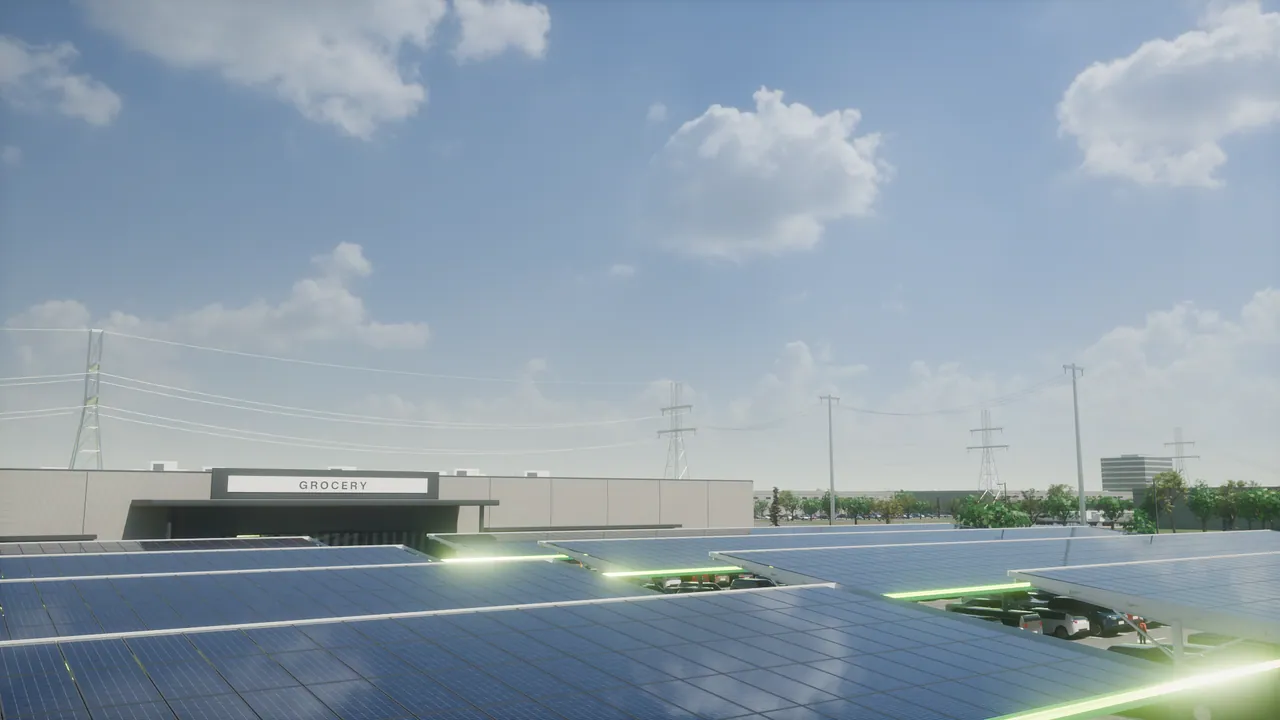
First pilot plant targeted for 2027
Clean power when the grid needs it most.
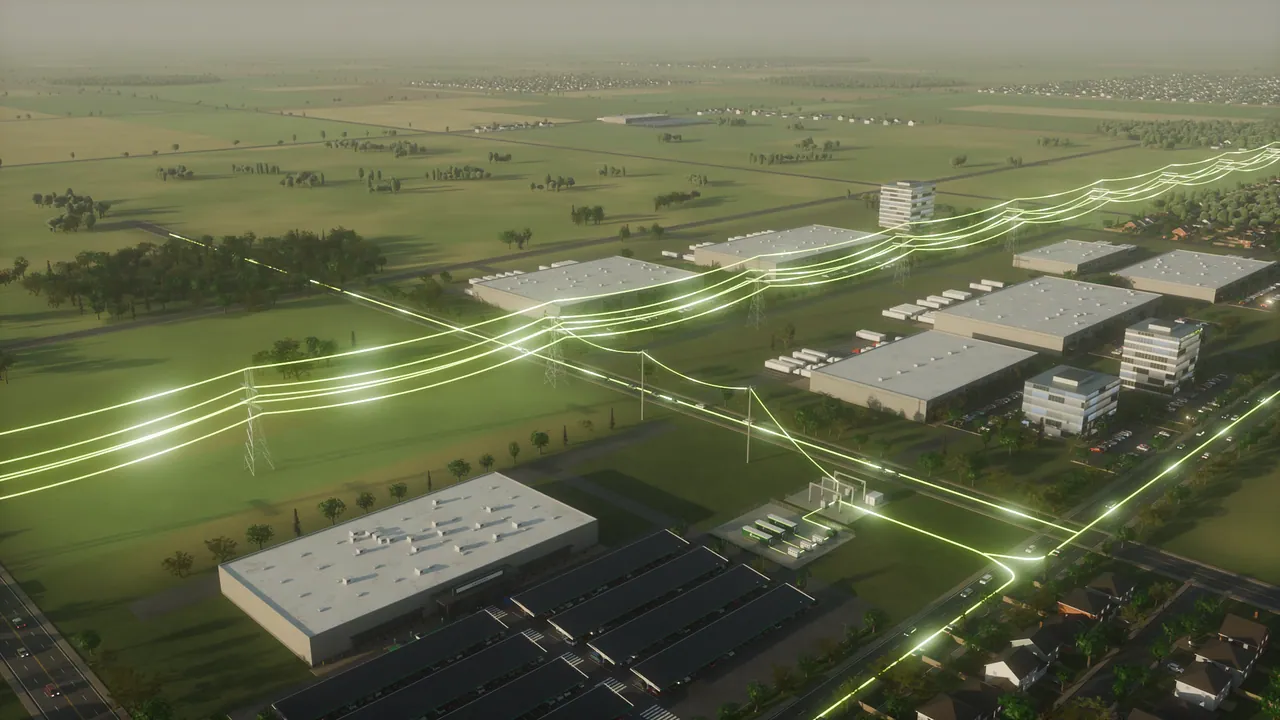
VerdantWatt is developing small power plants for Toronto parking lots and big commercial roofs. Solar will fill their batteries at midday, and at the evening peak that energy will go back to Ontario’s grid.
Ontario price day Overnight hours are for charging. The evening peak is for supplying the grid.
One mission. Five ways in.
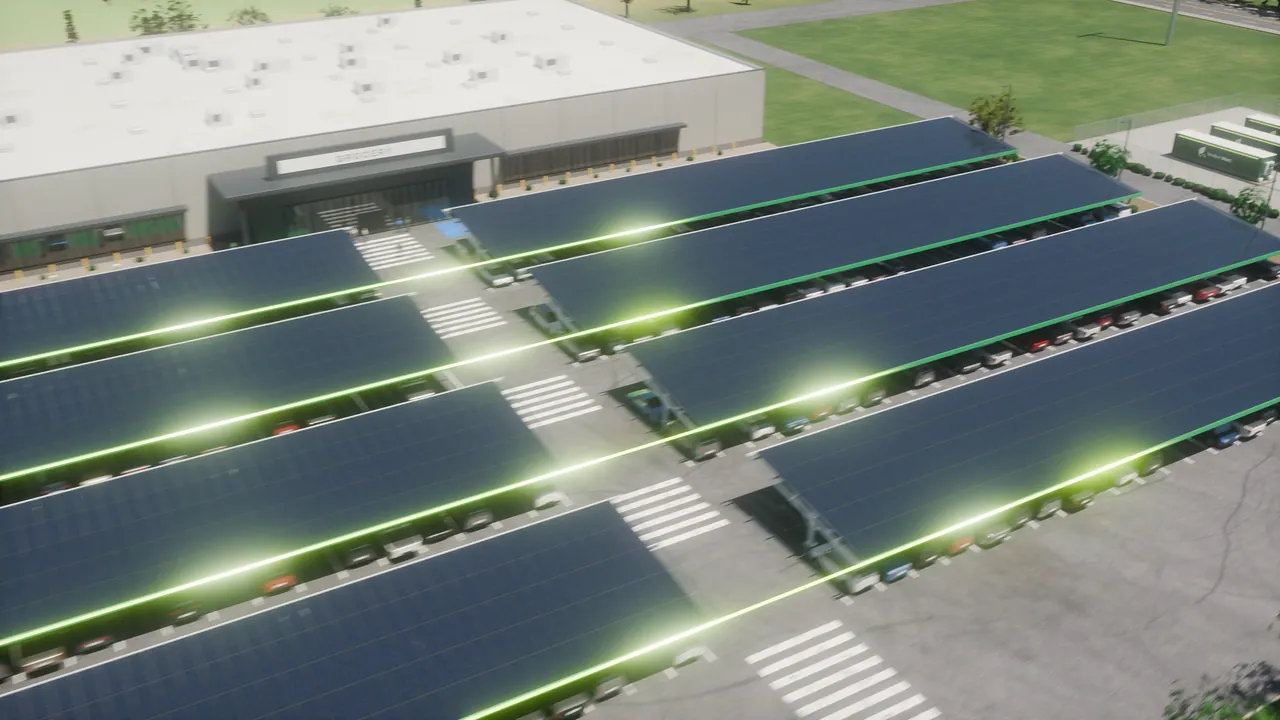
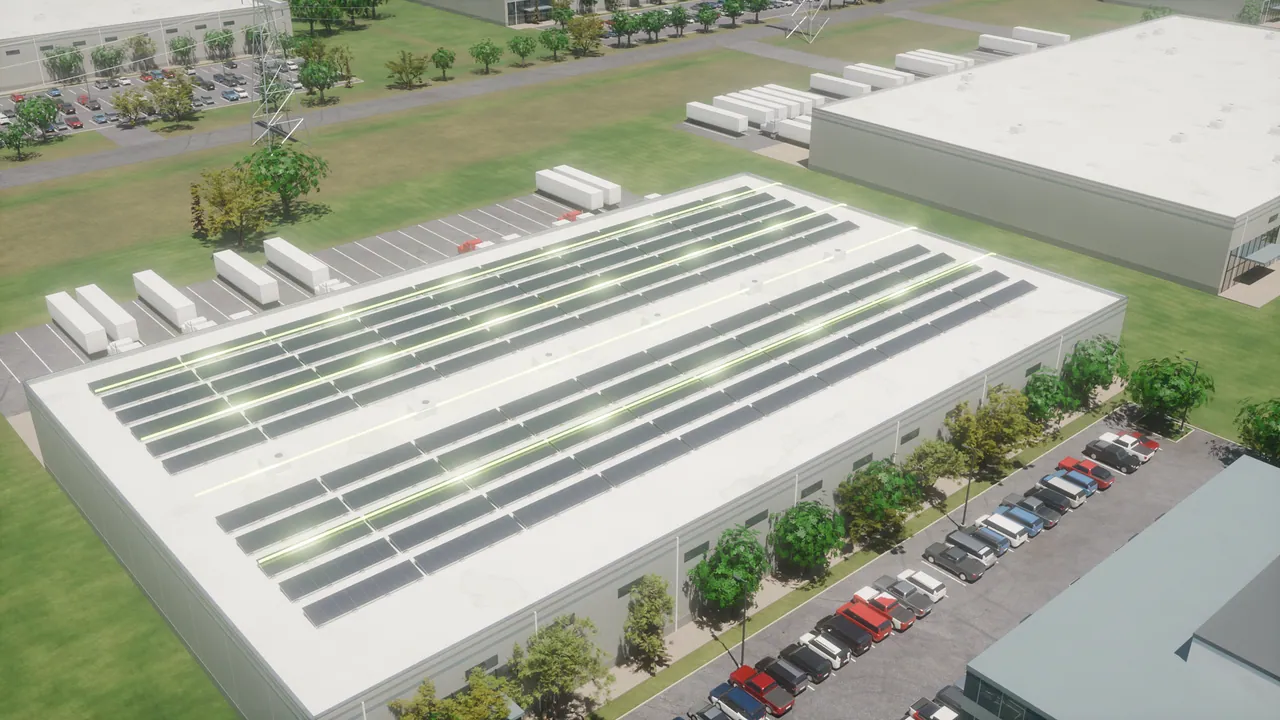
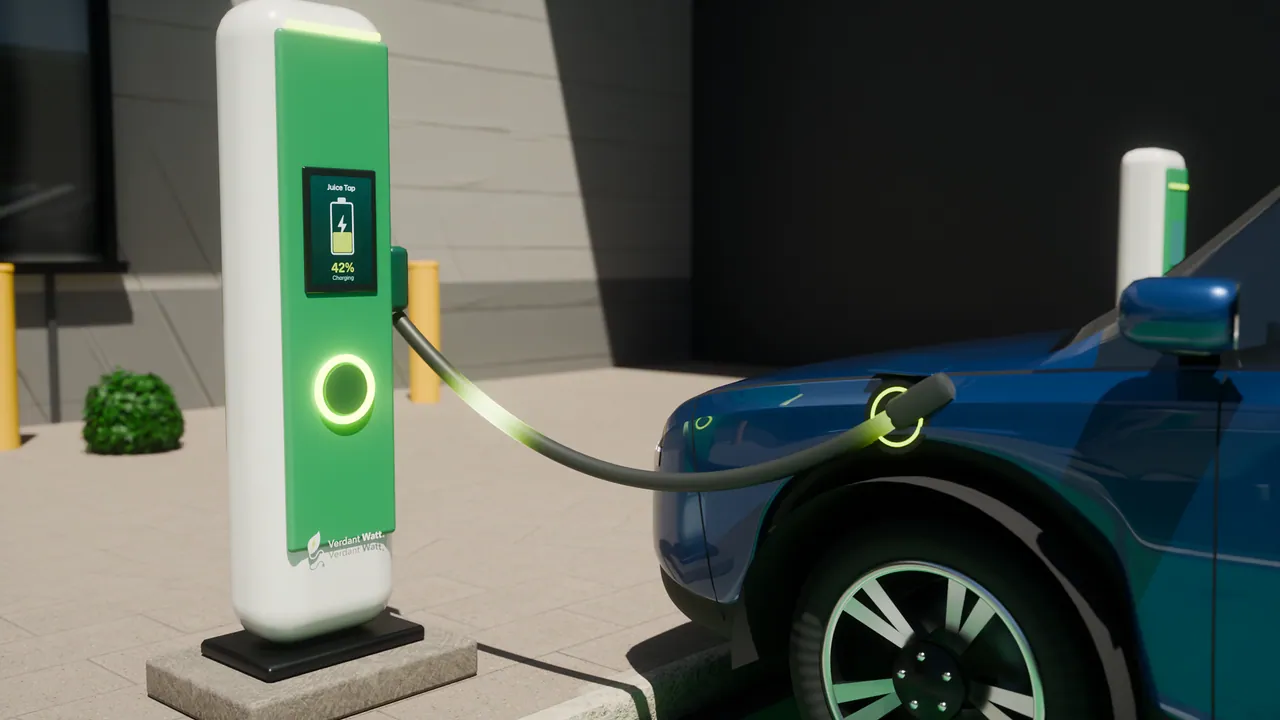
Every program moves clean power to the hours Ontario needs it most. Pick the one that fits your lot, your roof, your building or your home.
-
-
-
-
-
One weekday in the life of a plant.
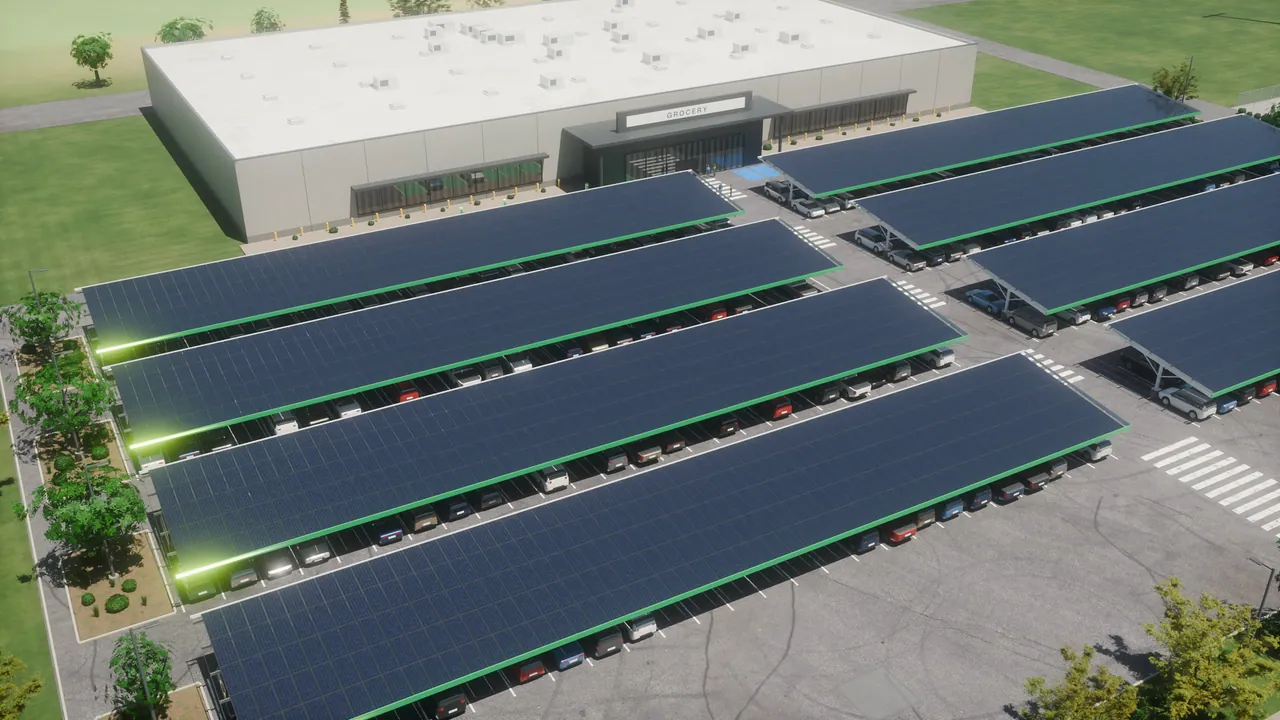
Each planned Parking Lot Power Plant will run the same cycle every weekday, moving solar power from the middle of the day, when Ontario has plenty, to the evening, when it does not.
-

6:30 a.m.
Sunrise
The canopy starts making power as soon as there is light.
-
12 p.m.
Noon
Solar fills the battery while prices sit in the mid-peak period.
-
5 p.m.
The peak
Weekday demand peaks between 4 and 9 p.m. The battery supplies the grid.
-
11 p.m.
Overnight
If tomorrow looks cloudy, the battery tops up on the ultra-low overnight rate.
- Ultra-low overnight 11 p.m. to 7 a.m.
- Mid-peak 7 a.m. to 4 p.m. and 9 to 11 p.m.
- On-peak 4 to 9 p.m.
Weekday periods on Ontario’s Ultra-Low Overnight price plan. Weekends and holidays are off-peak from 7 a.m. to 11 p.m. Source: Ontario Energy Board
Ontario’s grid is working harder every year.
Power is cheapest and cleanest when demand is low. The hard hours are late afternoon and early evening, when air conditioners, ovens and EVs all switch on at once. That is the window our plants are designed for.
When each province needs power most.
We mapped 2025 demand hour by hour for every province that publishes it. Overnight is quiet everywhere. The peaks are not: most provinces peak in the late afternoon on winter weekdays, while Quebec and New Brunswick peak in the morning.
See the data for all ten provincesWinter weekdays: British Columbia: lowest four hours 1 to 5 a.m., highest four hours 4 to 8 p.m. Alberta: lowest four hours 1 to 5 a.m., highest four hours 4 to 8 p.m. Ontario: lowest four hours 1 to 5 a.m., highest four hours 4 to 8 p.m. Quebec: lowest four hours midnight to 4 a.m., highest four hours 4 to 8 p.m. or, within 1%, 6 to 10 a.m. New Brunswick: lowest four hours midnight to 4 a.m., highest four hours 7 to 11 a.m. Nova Scotia: lowest four hours 1 to 5 a.m., highest four hours 5 to 9 p.m. Prince Edward Island: lowest four hours 1 to 5 a.m., highest four hours 4 to 8 p.m. Newfoundland and Labrador: lowest four hours midnight to 4 a.m., highest four hours 4 to 8 p.m. or, within 1%, 7 to 11 a.m.
Average weekdays in 2025, in each province’s local time, leaving out weekends and public holidays. Winter is January, February and December.
Built in steps, starting small.
We were incorporated in August 2026. Our first site is a pilot, sized to prove the numbers before we scale. Everything here is a target, and we will say so until it is built.
- Pilot Plant #0
- 30 kW solar canopy with a 25 kW / 100 kWh LiFePO4 battery
- Target
- Running by September 30, 2027
- Then
- Plant #1 at 1.25 MW / 5 MWh in 2029, growing to six plants and 30 MWh by 2032
View as a table
| Year | Milestone | Target storage | Detail |
|---|---|---|---|
| 2027 | Pilot Plant #0 | 0.1 MWh | 30 kW solar canopy, 25 kW / 100 kWh battery |
| 2029 | Plant #1 | 5 MWh | 1.25 MW / 5 MWh, sited in 2028 |
| 2030 | Plants #2 and #3 | 15 MWh | EV charging tests begin at Plant #2 |
| 2032 | Plants #4 to #6 | 30 MWh | Six plants: 7.5 MW / 30 MWh, 6 MW of solar |
Smart homes that think about energy first.
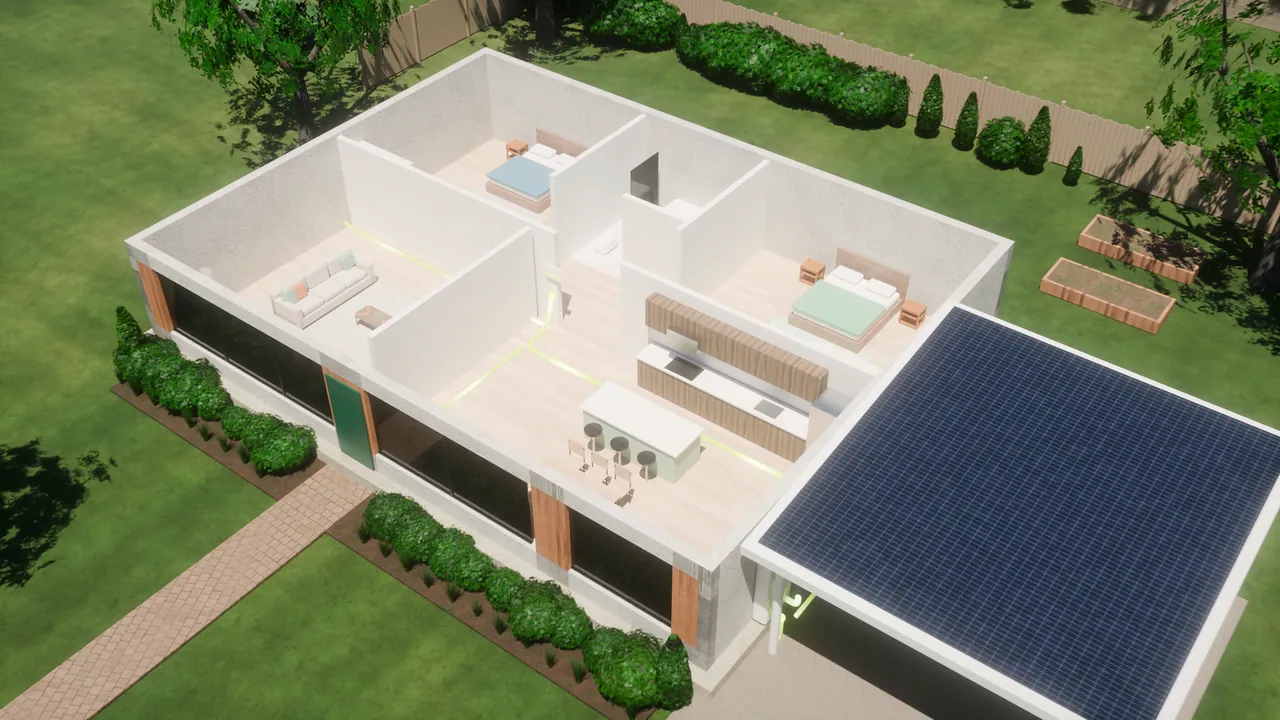
VerdantWatt Smart Living will install Home Assistant smart homes in houses and new condo and rental buildings, starting with a few pilot homes. Comfort, safety and lower bills, all run on a hub inside the home.
Explore Smart Living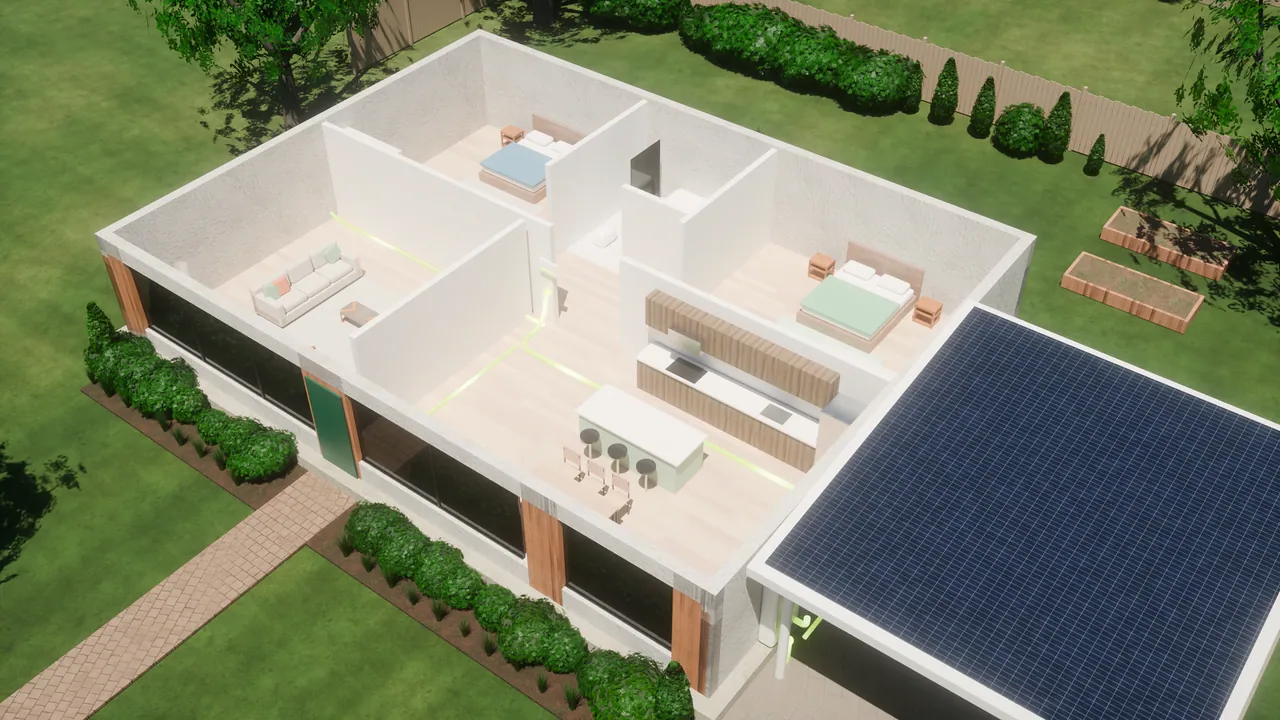
- Solar carport Makes daytime power the home uses first.
- Home battery Stores solar and cheap overnight power for the evening peak.
- Local hub Runs everything in the house, even with the internet down.
- Leak sensors Alert you at the first drop, under the kitchen sink and in the bathroom.
- Smart lock Keyless entry with codes you control.
The lime lines trace power from the carport and battery to the hub and the rooms.
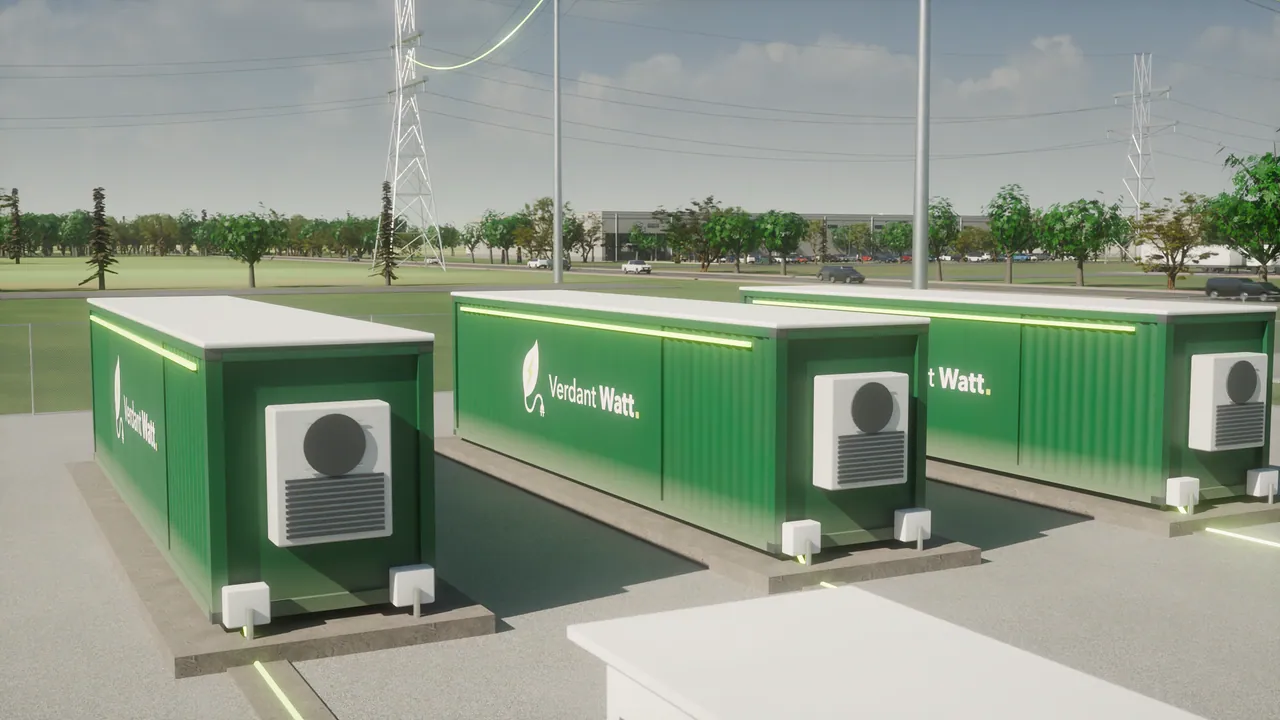
Batteries we will own, sourced direct.
Our model is to import LiFePO4 batteries, inverters and solar panels straight from manufacturers instead of buying through distributors. Lower equipment cost means a shorter payback on every site, for us and for the clients who share in it.
- LiFePO4 chemistry, chosen for long cycle life and thermal stability
- Hardwired work done by Licensed Electrical Contractors under ESA rules
- Designed for remote monitoring and dispatch around Ontario’s peak hours
Have a lot, a roof or a building in the GTA?
Tell us what you have. We will tell you, plainly, what it could do for Ontario’s grid and for you.