

Pilot Plant #0 targeted for September 2027
Every parking lot, a small power plant.
We lease the space above your parking lot, build a solar canopy over the stalls and add a battery beside it. VerdantWatt owns and runs all of it. Your lot keeps its spaces and gains shade and a steady rent.
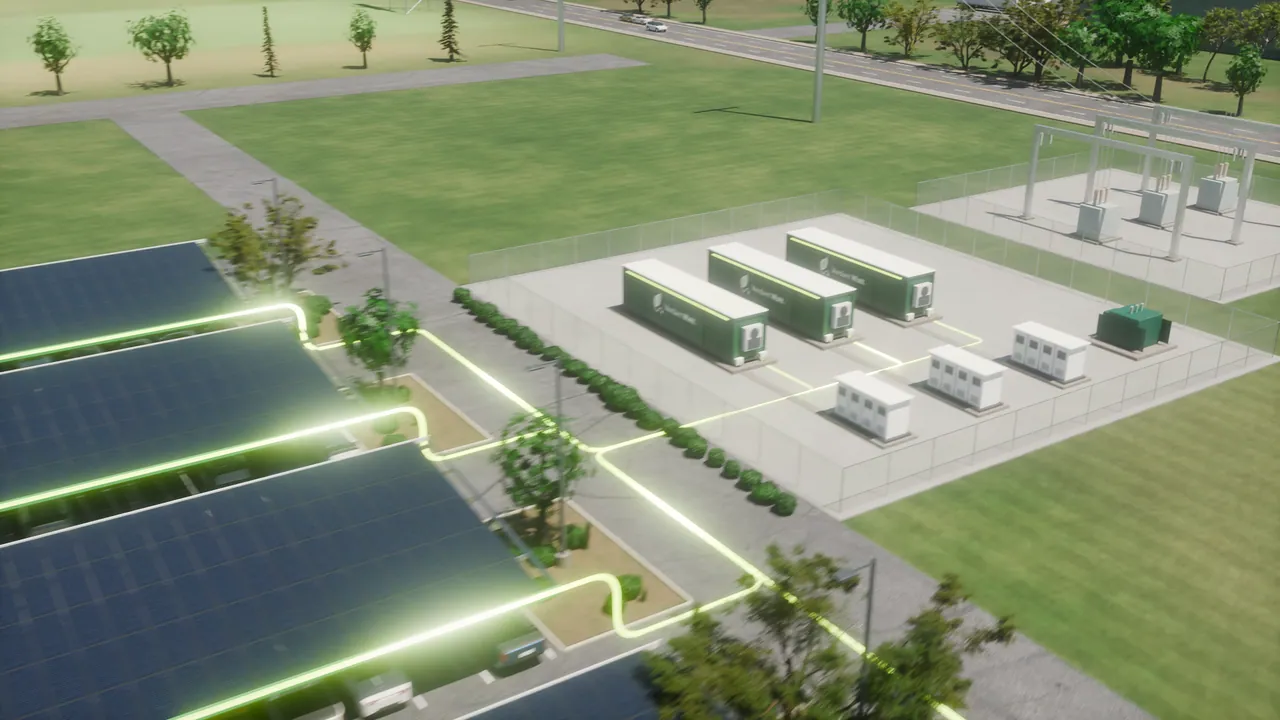
How a plant works, every weekday.
The same cycle runs on every site. It moves solar power from the middle of the day, when Ontario has plenty, to the evening, when it does not.
In 2025, Ontario’s four busiest weekday hours ran from 4 to 8 p.m., winter and summer. See the data.
-
Sunrise to afternoon
Collect
Solar canopies over the stalls make power from sunrise. Cars underneath stay shaded in summer and out of the snow in winter.
-
Through the day
Store
A LiFePO4 battery on a fenced pad stores that solar. When tomorrow looks cloudy, it tops up overnight on the ultra-low rate.
-
Weekdays, 4 to 9 p.m.
Supply
When Ontario’s demand peaks, the battery sends its stored power into the grid.
What you get as a host.
- Rent for space you already have. The stalls stay in use underneath.
- No equipment to buy. VerdantWatt pays for, builds, owns and maintains the plant.
- Covered parking. Shade in July, less snow to clear in January.
- A visible clean energy project on your property that customers and tenants notice.
- Room for EV charging later. Our Juice Tap chargers are planned to run on the plant’s own solar and storage.
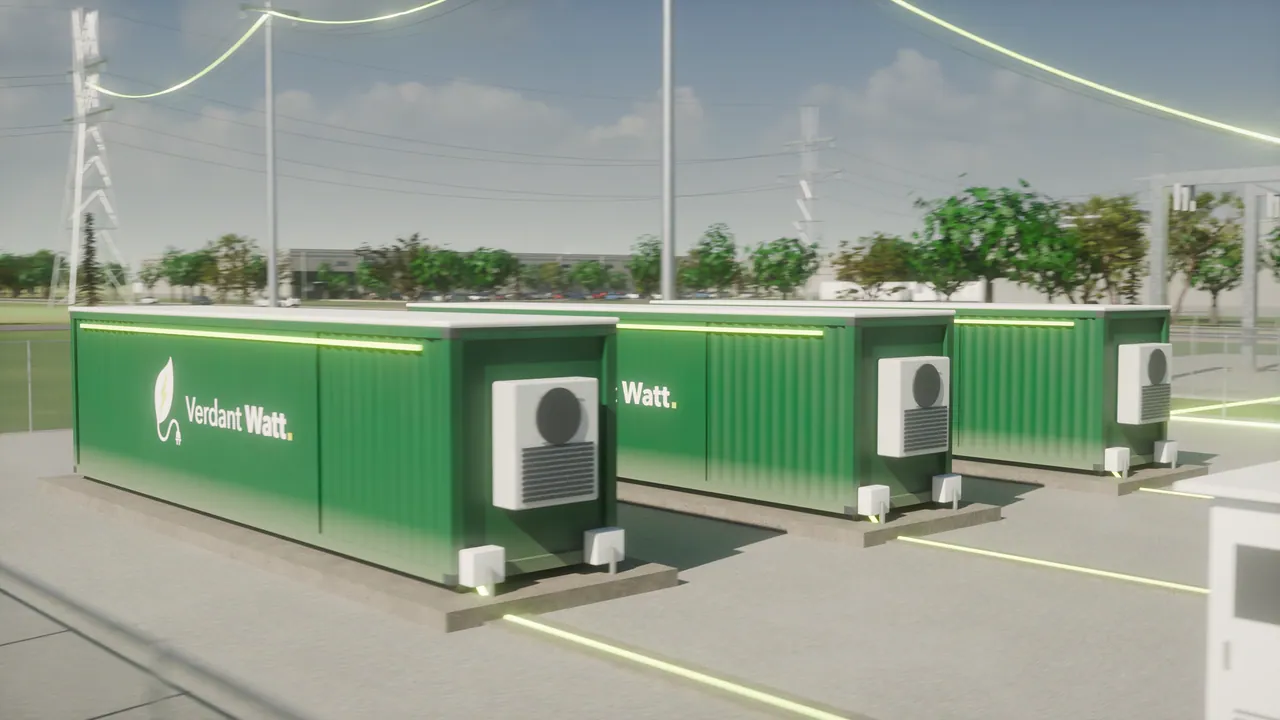
The pilot, then the fleet.
We start with one small site to measure real output, real costs and real grid revenue. Then we scale.
| Plant | Solar | Battery | Target |
|---|---|---|---|
| Pilot Plant #0 | 30 kW | 25 kW / 100 kWh | September 2027 |
| Plant #1 | Sized per site | 1.25 MW / 5 MWh | 2029 |
| Plants #2 to #6 | 6 MW in total | 7.5 MW / 30 MWh in total | 2030 to 2032 |
What makes a good lot.
We are looking for surface lots across the GTA. If yours fits most of these, we should talk.
Large and busy
Surface lots at malls, big-box stores, grocers, offices and campuses.
Open to the south
Good sun most of the day, with few tall buildings or trees to the south.
Room for a pad
A corner that can hold a small fenced battery yard.
Close to the grid
A utility connection point on or near the property.
From first call to first kilowatt-hour
-
Site check
We study your lot from aerial data, then visit to confirm sun, layout and grid access.
-
Proposal
You get a canopy layout, a battery location and lease terms in plain language.
-
Approvals
We handle permits, the utility connection and Electrical Safety Authority requirements.
-
Build
Licensed contractors install canopies, battery and lighting, phased to keep the lot open.
-
Operate
We run, monitor and maintain the plant for the life of the lease.
Questions people ask
Do we lose parking spaces?
The canopies are designed to stand over the stalls, so the spaces stay in use. The battery needs a small fenced pad, which we place with you, usually in the least-used corner of the lot.
Who owns and maintains the equipment?
VerdantWatt does. We pay for, build, own, run and maintain the canopies and batteries. You lease us the space.
What happens in winter?
Solar output drops in winter, but the battery keeps working. It can charge overnight on the ultra-low rate and supply the grid during the evening peak.
Is a battery safe next to a busy lot?
We use LiFePO4 batteries, a chemistry chosen for its thermal stability, in purpose-built fenced enclosures. All electrical work is done by Licensed Electrical Contractors under Ontario’s Electrical Safety Authority rules.
When could a plant be built on our lot?
Our pilot is targeted for September 2027 and Plant #1 for 2029. Site reviews, approvals and grid connection take months, so we would like to hear about suitable lots now.
Own a parking lot in the GTA?
Send us the address and a rough size. We will tell you if it could host a plant, and what that could look like.